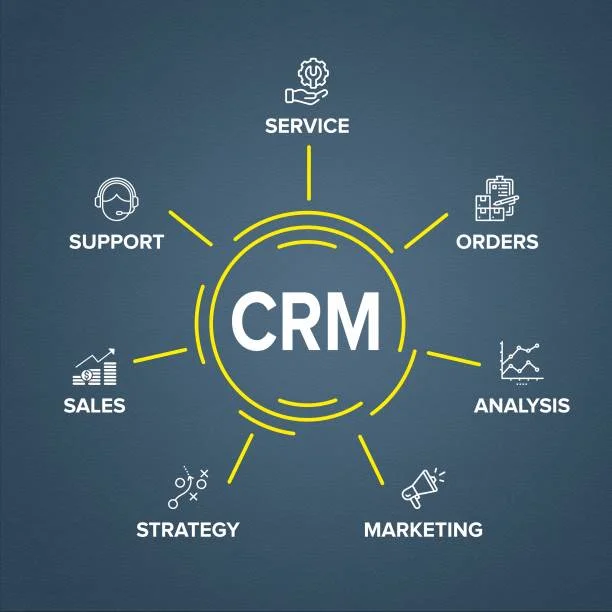
The Importance of CRM Software for Real Estate in Illinois
In the competitive world of real estate, effective customer relationship management (CRM) is essential for success. For real estate professionals in Illinois, utilizing CRM software can significantly enhance client interactions, streamline operations, and ultimately drive sales. This article will explore the importance of CRM software in the real estate industry, its key features, benefits, and best practices for implementation.
Understanding CRM Software
What is CRM Software?
Customer Relationship Management (CRM) software is a technology solution designed to help businesses manage their interactions with customers and potential clients. It centralizes customer data, tracks interactions, and provides insights into customer behavior. In the context of real estate, CRM software helps agents and brokers streamline their processes and improve client relationships.
Why is CRM Important for Real Estate?
In the real estate industry, building strong relationships with clients is crucial. CRM software enables real estate professionals to maintain organized records of client interactions, preferences, and transactions. This allows agents to provide personalized service, respond promptly to inquiries, and nurture leads effectively.
Key Features of CRM Software for Real Estate
When selecting a CRM solution for real estate in Illinois, it is essential to consider the following key features:
1. Lead Management
Effective lead management is critical for real estate success. A robust CRM system allows agents to capture leads from various sources, track their progress through the sales funnel, and prioritize follow-ups based on engagement.
Benefits of Lead Management
- Automated Lead Capture: Automatically gather leads from websites, social media, and other platforms.
- Lead Scoring: Rank leads based on their likelihood to convert.
- Follow-Up Reminders: Set reminders for timely follow-ups to keep leads engaged.
2. Contact Management
A comprehensive contact management system helps agents organize client information efficiently. This feature allows users to store contact details, communication history, and preferences in one place.
Advantages of Contact Management
- Centralized Database: Access all client information from a single platform.
- Segmentation: Group clients based on demographics or interests for targeted marketing.
- Interaction Tracking: Keep a record of all communications with clients for better relationship management.
3. Marketing Automation
CRM software often includes marketing automation tools that enable agents to create targeted campaigns and manage outreach efforts efficiently.
Key Marketing Automation Features
- Email Campaigns: Design and send personalized email campaigns to clients.
- Social Media Integration: Share listings and updates on social media platforms directly from the CRM.
- Performance Analytics: Track campaign performance metrics to evaluate effectiveness.
4. Reporting and Analytics
Access to reporting and analytics tools is essential for making informed decisions in real estate. A good CRM system provides insights into sales performance, lead conversion rates, and client engagement levels.
Benefits of Reporting and Analytics
- Sales Forecasting: Predict future sales based on historical data.
- Client Insights: Understand client behavior patterns to tailor services effectively.
- Performance Metrics: Monitor individual agent performance to identify areas for improvement.
Benefits of Using CRM Software in Real Estate
Implementing CRM software in the real estate industry offers numerous advantages:
1. Improved Efficiency
CRM systems streamline various processes within a real estate agency. By automating routine tasks such as data entry and follow-up reminders, agents can focus on building relationships with clients rather than getting bogged down by administrative work.
2. Enhanced Customer Service
With access to comprehensive client information, agents can provide personalized service tailored to each client’s needs. This level of attention fosters trust and loyalty among clients.
3. Increased Sales Opportunities
By effectively managing leads and nurturing relationships through targeted marketing campaigns, real estate professionals can increase their chances of closing deals.
4. Better Collaboration Among Teams
CRM software facilitates collaboration among team members by providing a centralized platform for sharing information. This ensures that everyone is on the same page when it comes to client interactions.
Best Practices for Implementing CRM Software in Real Estate
To maximize the benefits of CRM software in the real estate sector, consider these best practices:
1. Define Clear Objectives
Before implementing a CRM solution, it’s essential to define clear objectives for what you want to achieve. Whether it’s improving lead conversion rates or enhancing customer satisfaction scores, having specific goals will guide your implementation process.
Key Questions to Consider
- What specific outcomes do you want from the CRM?
- How will you measure success?
- What resources do you need to achieve these goals?
2. Involve Key Stakeholders
Engage key stakeholders from various departments—such as sales, marketing, and customer support—during the implementation process. Their input will ensure that the system meets the needs of all teams involved in customer interactions.
3. Provide Comprehensive Training
Invest in training sessions for employees to familiarize them with the new system. Comprehensive training ensures that staff understands how to use the CRM effectively and helps drive adoption across the organization.
4. Monitor Performance Metrics
After implementing the CRM system, regularly monitor performance metrics related to customer service outcomes. Analyzing these metrics will help identify areas for improvement and ensure that your objectives are being met.
The Future of CRM Software in Real Estate
As technology continues to evolve, so too will the capabilities of CRM software in the real estate sector. Here are some emerging trends that could impact how real estate professionals utilize these systems:
1. Artificial Intelligence (AI)
AI-powered features are becoming increasingly common in CRM systems. These capabilities can analyze vast amounts of data to provide insights into customer behavior, predict future trends, and automate responses based on predefined criteria.
Example Applications of AI in Real Estate CRMs
- Predictive Analytics: Use AI algorithms to forecast market trends based on historical data.
- Chatbots: Implement AI-driven chatbots on websites to engage with potential clients instantly.
2. Mobile Accessibility
With an increasing number of real estate transactions occurring on mobile devices, having mobile access to your CRM system is crucial. Look for solutions that offer mobile apps or responsive designs so your team can access information on-the-go.
Benefits of Mobile Accessibility
- Real-Time Updates: Access client information and update records while out in the field.
- Improved Responsiveness: Quickly respond to inquiries from anywhere at any time.
Conclusion
The importance of CRM software in the real estate industry cannot be overstated. By centralizing customer data, enhancing communication, providing valuable insights through analytics, and automating routine tasks, CRM systems empower real estate professionals in Illinois to build stronger relationships with their clients while driving sales growth.As technology continues to advance, staying informed about emerging trends will help organizations leverage their CRM systems effectively for long-term success. By defining clear objectives, involving stakeholders in the implementation process, providing comprehensive training, and monitoring performance metrics regularly, businesses can maximize their investment in CRM software.Ultimately, integrating effective CRM solutions into your real estate operations will not only improve efficiency but also enhance overall customer satisfaction—a vital component for thriving in today’s competitive market.For more information on how technology can enhance your business operations in real estate or related topics, consider exploring additional resources available online.